

Explained Simply
Retinol and exfoliating acids are widely recognised as some of the most effective ingredients in skincare, but they are also the ones people feel most uncertain about. Questions around irritation, application and skin compatibility often stop people from using them at all, or lead to misuse and ultimately, zero benefit.
And not all acids are created equal. Choosing the right ones, and using them consistently, is what makes the difference, so to help cut through the noise and clear a path to your greatest possible skin, here is a complete guide to Acids.

AHAs → Brightness and Smooth Texture
AHAs or Alpha-hydroxy acids work on the skin’s surface, dissolving the bonds between dead skin cells so dull, rough skin sheds to make way for fresher healthier skin.
They are best used to treat:
- Dull or uneven skin tone
- Rough, patchy texture
- Mild pigmentation
- Early fine lines and signs of ageing
- Dehydrated skin
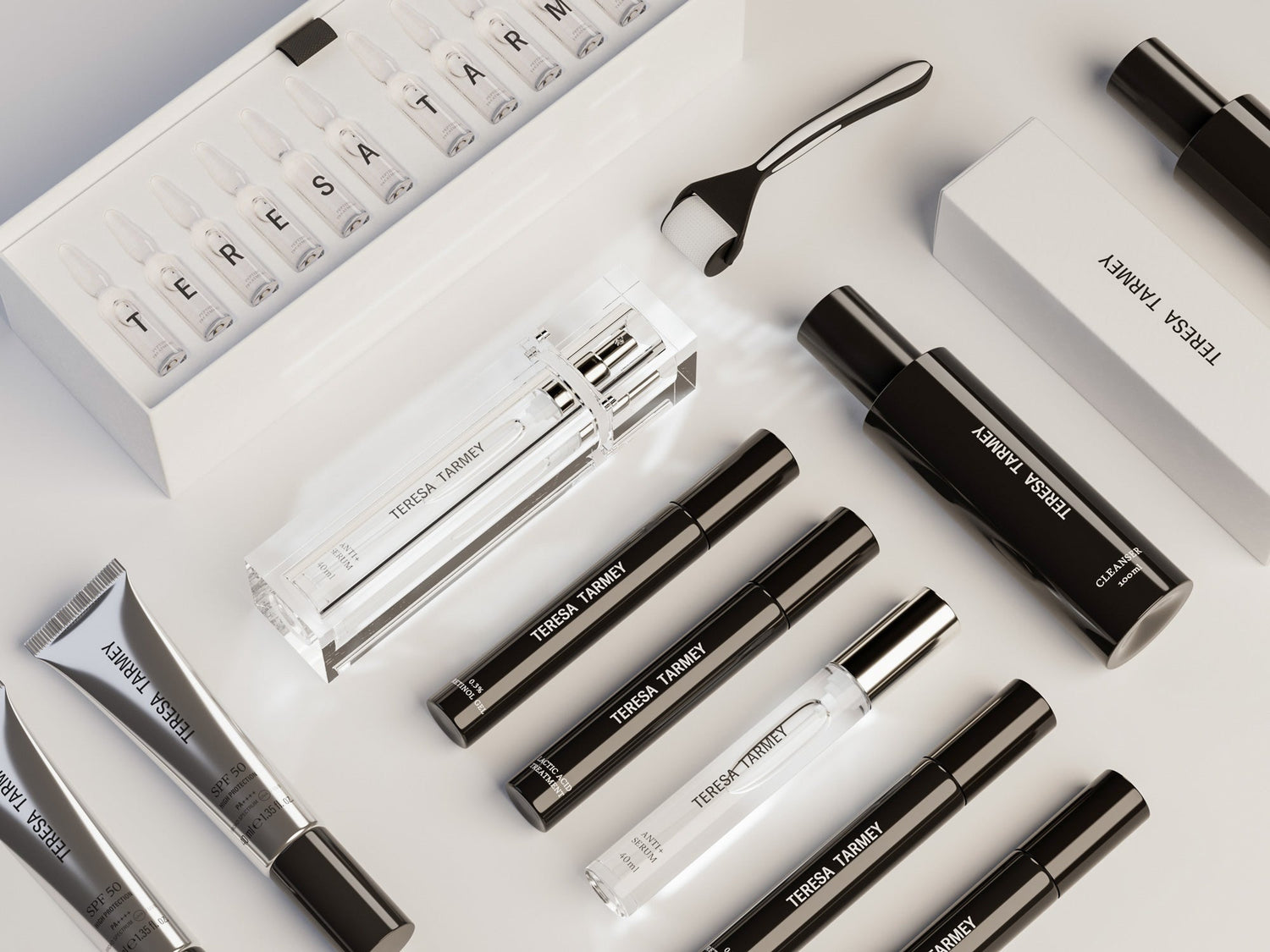
Lactic Acid is one of the gentlest AHAs. It exfoliates while also supporting hydration, making it ideal for sensitive or dry skin and for long-term use, which is why it is an essential part of our TREAT product lineup.
BHAs → Clearing Pores
Beta-hydroxy acids are oil-soluble, meaning they can penetrate deeper into the pores rather than working only on the surface.
They are best used to treat:
- Breakouts including acne
- Blackheads and congestion
- Oily or combination skin
- Enlarged or clogged pores
Salicylic acid is the most common BHA and is most often found in over-the-counter skincare products designed to treat acne, clogged pores, and oily skin
PHAs → Extra Gentle Exfoliation
Poly-hydroxy acids exfoliate very mildly whilst helping attract moisture to the skin. Because they penetrate slowly, they are suitable for sensitive, reactive or very dry skin types tthat cannot tolerate stronger acids.
They are best used to treat:
- Sensitive or reactive skin
- Very dry or dehydrated skin
- Rosacea-prone skin
- Post-treatment skin (once fully healed)
-
Beginners new to chemical exfoliation

Retinol → Deep Renewal
Although not technically an exfoliating acid, Retinol is often used alongside them. It is a vitamin A derivative, and works to increase cell turnover and stimulate collagen production. You’ll see an improvement in fine lines, firmness, breakouts and overall skin clarity with consistent use .
There are two very important things to remember when using retinol.
-
It works gradually and is best introduced slowly as part of a consistent evening skincare routine, to build tolerance and reduce accelerated shedding or peeling.
-
You MUST use a broad spectrum SPF daily when you use any resurfacing skin product.
0.3% Retinol is considered an optimal concentration to achieve a balance of efficacy and tolerance. It is strong enough to drive visible repair and collagen stimulation, but gentle enough for most skin to use consistently without significant irritation.
Why Lactic Acid and Retinol Are the Hero Combination
Although often grouped together as “actives,” retinol and lactic acid perform very different roles.
Lactic acid refines the skin’s surface, removing the buildup of dead cells that can cause dullness and uneven texture. Retinol works deeper, improving cellular renewal and collagen production over time.
They shouldn’t be layered together as part of the same nightly routine, but they do complement each other beautifully to accelerate results. Used on alternate nights, they create a balanced cycle of repair and refinement: one maintains clarity and smoothness, the other strengthens and rebuilds. Together, they help improve tone, texture, firmness and breakouts more effectively than either ingredient alone, while keeping the skin calm and resilient.

How to Choose
IF YOU HAVE:
Dull, rough or uneven skin → Lactic Acid (AHA)
Breakouts and congestion → Salicylic Acid (BHA)
Sensitive or compromised skin → PHAs or gentle AHAs
Lines, firmness and ageing concerns → Retinol
For many people, the most effective approach is not choosing one ingredient, but using the right combination at a pace the skin can tolerate. As always, we are here to help advise you with any questions about your personal skincare routine.